
Die richtige Wahl treffen Taschenhersteller Eine kurze Google-Suche reicht nicht aus. Wer ohne klare Ziele loslegt oder die Hersteller von Handtaschen nicht genauer unter die Lupe nimmt, riskiert teure Überraschungen. Überlegen Sie sich daher genau, was Sie suchen. Das spart Ihnen Stress und hilft Ihnen, die perfekte Tasche zu finden.
Wichtigste Erkenntnisse
Definieren Sie Ihre Anforderungen an die Tasche, einschließlich Größe, Material und Individualisierung, um Missverständnisse zu vermeiden und einen reibungslosen Ablauf zu gewährleisten.
Recherchieren Sie die Hersteller gründlich, indem Sie Rezensionen, Zertifizierungen und Produktionskapazitäten prüfen, um einen zuverlässigen Partner zu finden.
Fordern Sie Muster an und überprüfen Sie die Qualitätskontrollprozesse, um sicherzustellen, dass das Endprodukt Ihren Erwartungen entspricht.
Definieren Sie Ihre Taschenanforderungen
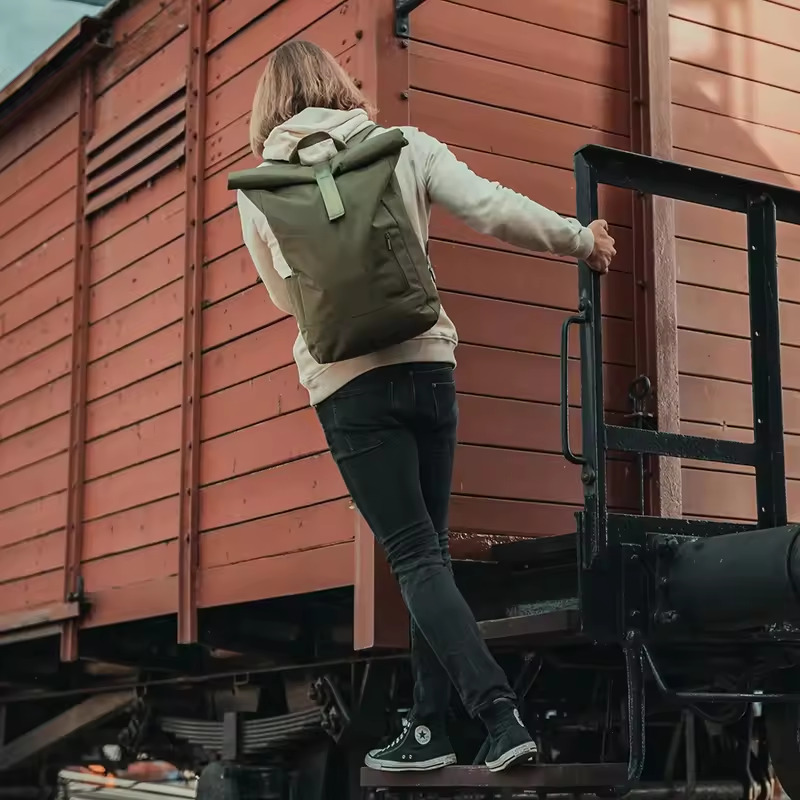
Bevor Sie sich an irgendjemanden wenden OEM-TaschenherstellerSie müssen Ihre Anforderungen definieren. Dieser Schritt schafft die Grundlage für einen reibungslosen Ablauf und hilft Ihnen, spätere Missverständnisse zu vermeiden.
Produktspezifikationen
Erstellen Sie zunächst eine Liste mit den gewünschten Inhalten Ihrer Tasche. Überlegen Sie sich Größe, Form, Farbe und Funktionen. Benötigen Sie zusätzliche Fächer, Reißverschlüsse oder ein individuelles Logo? Berücksichtigen Sie außerdem die Designrechte und wie stark Sie die Tasche individualisieren möchten. Die folgende Tabelle hilft Ihnen, Ihre Gedanken zu ordnen:
Spezifikationstyp | Beschreibung |
|---|---|
Designverantwortung | Sie behalten die Kontrolle über Ihre Taschen-Designs, um sie an Ihre Markenvision anzupassen. |
Materialauswahl | Wählen Sie zwischen Premiumleder, recycelten Stoffen oder anderen Optionen. |
Anpassungsstufen | Überlegen Sie, inwieweit Sie die Tasche an Ihre Bedürfnisse anpassen möchten. |
Qualitätskontrolle | Vergewissern Sie sich, dass der Hersteller strenge Qualitätskontrollen durchführt. |
Reputation des Herstellers | Suchen Sie nach einem Partner, der dafür bekannt ist, Spezifikationen zu erfüllen und Qualität zu liefern. |
Tipp: Fragen Sie in jeder Phase nach der Qualitätskontrolle. So können Sie Probleme erkennen, bevor sie teuer werden.
Materialauswahl
Das gewählte Material beeinflusst sowohl das Aussehen als auch den Preis Ihrer Tasche. Hochwertiges Leder wirkt luxuriös, ist aber teurer. Recycelte Stoffe oder Canvas können die Kosten senken und die Nachhaltigkeit fördern. Viele Hersteller bieten eine große Auswahl an Materialien an, sodass Sie die Werte Ihrer Marke und die Vorlieben Ihrer Kunden optimal aufeinander abstimmen können.
Hochwertige Taschen beginnen mit dem richtigen Material.
Hochwertige Materialien bedeuten höhere Langlebigkeit und höhere Kosten.
Umweltfreundliche Optionen fördern die Nachhaltigkeit und sprechen umweltbewusste Käufer an.
Budget und Zeitplan
Legen Sie vor Beginn ein klares Budget fest. Die Kosten können je nach Taschenart und gewähltem Material variieren. Hier ein kurzer Überblick über typische Preisspannen:
Kampagnentyp | Material | Stil | Kostenbereich |
|---|---|---|---|
Budgetkampagne | Polyester oder Baumwolle | Beutel mit Kordelzug/einfache Tragetasche | 1–2 US-Dollar |
Kampagne auf mittlerer Ebene | Canvas oder RPET | Tragetasche mit verstärktem Griff | 2–4 US-Dollar |
Premium-Kampagne | Dickes Segeltuch oder Nylon | Rucksack/strukturierte Tasche | 5–15 US-Dollar |
Sie müssen auch Ihren Zeitplan planen. Der Prozess umfasst üblicherweise die Bestätigung der Spezifikationen, die Materialauswahl, die Überprüfung der Druckvorlage, die Anfertigung von Mustern und anschließend die Serienproduktion. Die Lieferzeiten hängen von der Bestellmenge und der Komplexität Ihres Designs ab. Wenn Sie eine individuell gestaltete Tasche wünschen, müssen Sie mit einer längeren Wartezeit rechnen.
Notiz: Eine klare Kommunikation über Ihr Budget und Ihren Zeitplan hilft Ihrem Hersteller, termingerecht und innerhalb Ihres Preisrahmens zu liefern.
Hersteller von Forschungstaschen
Beschaffungskanäle
Bei der Suche nach dem passenden Taschenhersteller stehen Ihnen zahlreiche Möglichkeiten offen. Online-Verzeichnisse, Fachmessen und Empfehlungen bieten jeweils einzigartige Vorteile. Im Folgenden stellen wir Ihnen einige gängige Beschaffungskanäle vor:
Beschaffungskanal | Region | Merkmale | Vorteile |
|---|---|---|---|
Alibaba | Vorwiegend asiatische Lieferanten | Erweiterte Suchfilter, Kundenrezensionen | Direkter Kontakt, einfache Überprüfung |
Maker's Row | US-amerikanische Hersteller | Präsentiert lokale Fabriken, benutzerfreundliche Plattform | Ideal für die heimische Produktion |
ThomasNet | Nordamerikanische Lieferanten | Umfangreiche Datenbank, industrieller Fokus | Robuste Lieferketten |
Globale Quellen | Asiatische Lieferanten | Kontakte zu Messen, Ausstellerprofile | Verifizierte Hersteller, reduziertes Betrugsrisiko |
Sie können auch B2B-Plattformen wie Made-in-China.com nutzen. Auf diesen Seiten können Sie Bewertungen und Zertifizierungen prüfen und so unzuverlässige Lieferanten vermeiden. Empfehlungen aus Ihrem beruflichen Netzwerk führen oft zu vertrauenswürdigen Herstellern. Fachmessen bieten Ihnen die Möglichkeit, Lieferanten persönlich kennenzulernen und sich von deren Produkten zu überzeugen.
Tipp: Lesen Sie unbedingt Kundenrezensionen und Fallstudien. Diese geben Ihnen einen echten Einblick, wie Hersteller Bestellungen bearbeiten und Probleme lösen.
Vorauswahl der Kandidaten
Sobald Sie eine Liste haben, müssen Sie die in die engere Wahl gekommenen Hersteller bewerten. Achten Sie auf deren Erfahrung, Produktionskapazität und Qualitätsstandards. Hier ist eine kurze Vergleichstabelle:
Kriterien | Beschreibung |
|---|---|
Erfahrung und Expertise | Nachweisliche Erfolgsbilanz mit ähnlichen Taschen |
Produktionskapazität | Fähigkeit, Ihr Auftragsvolumen zu bewältigen |
Qualität und Materialien | Prüfen Sie die Muster auf Verarbeitungsqualität und Materialqualität. |
Zertifizierungen | Soziale Compliance und Qualitätszertifizierungen wie WRAP oder ISO9001 |
Preisgestaltung und Zahlungsbedingungen | Vergleichen Sie Angebote und Zahlungsoptionen |
Sie sollten stets nach Mustern fragen und die Zertifizierungen überprüfen. Dieser Schritt hilft Ihnen, Überraschungen zu vermeiden und stellt sicher, dass Sie mit einem zuverlässigen Hersteller zusammenarbeiten.
Zuverlässigkeit des Herstellers bewerten
Die Wahl eines Taschenherstellers ist mehr als nur die Auswahl eines Namens aus einer Liste. Sie benötigen einen Partner, der qualitativ hochwertige Produkte liefert, ethische Standards einhält und Ihre Liefer- und Produktionspläne einhält. Wir zeigen Ihnen, wie Sie die Zuverlässigkeit überprüfen können, bevor Sie einen Vertrag unterzeichnen.
Erfahrung und Erfolgsbilanz
Erfahrung ist entscheidend für gleichbleibende Qualität. Suchen Sie nach einem Handtaschenhersteller mit nachweislicher Branchenerfahrung. Jahrelange Erfahrung führt oft zu besserer Problemlösung und reibungsloserer Produktion. Hier ein kurzer Überblick über die durchschnittliche Unternehmensgeschichte führender Hersteller:
Hersteller | Jahre Erfahrung |
|---|---|
Vancharli Outdoor | über 30 Jahre |
YSK Lederwaren | 15+ Jahre |
Unbekannt | 18 Jahre |
Wenn Sie einen Taschenhersteller mit jahrzehntelanger Erfahrung finden, können Sie davon ausgehen, dass er auch komplexe Aufträge und unerwartete Herausforderungen meistert. Fragen Sie nach Referenzen oder Fallstudien. Sie sollten wissen, wie er frühere Projekte abgewickelt hat und ob er die Qualität termingerecht geliefert hat.
Tipp: Scheuen Sie sich nicht, nach Erfahrungsberichten früherer Kunden zu fragen. Seriöse Hersteller teilen ihre Erfolgsgeschichten gerne mit Ihnen.
Produktionskapazität
Die Produktionskapazität beeinflusst Ihre Lieferzeiten und Ihren Produktionsplan. Sie benötigen einen Hersteller, der Ihr Auftragsvolumen ohne Qualitätseinbußen bewältigen kann. Sehen Sie sich an, was führende Unternehmen produzieren können:
Hersteller | Tagesproduktionskapazität | Jährliche Produktionskapazität | Zusätzliche Anmerkungen |
|---|---|---|---|
Gionar | 50 Handtaschen oder 20 Kleinlederwaren | Über 2 Millionen individuell angepasste Produkte | Synergien mit Fabriken in Asien, Südamerika und den USA. |
YC-Taschenherstellung | Tausende von Säcken pro Monat | - | - |
Bei größeren Bestellungen oder wenn Sie eine schnelle Bearbeitung benötigen, erkundigen Sie sich nach der maximalen Produktionskapazität. Prüfen Sie außerdem, ob Ausweichkapazitäten oder regionsübergreifender Support vorhanden sind. So vermeiden Sie Verzögerungen und stellen sicher, dass Ihre Lieferzeiten und Ihr Produktionsplan eingehalten werden.
Notiz: Ein zuverlässiger Taschenhersteller wird seine Kapazität und etwaige Beschränkungen offenlegen. Diese Transparenz hilft Ihnen bei der besseren Planung.
Qualitätssicherungsprozesse
Qualität ist das Herzstück jeder erfolgreichen Partnerschaft. Sie brauchen einen Hersteller, der in jeder Phase strenge Qualitätskontrollprozesse anwendet. Darauf sollten Sie achten:
Qualitätssicherungsprozess | Beschreibung |
|---|---|
Materialqualitätskontrolle | Strenge Kontrollen der Lieferanten, um Probleme wie Reißverschlussklemmen und Verfärbungen zu vermeiden. |
Standardisierte Produktion | Wendet korrekte Methoden an, einschließlich Vorproduktionsplanung und Anleitung für komplexe Konstruktionen. |
Mitarbeiterschulung | Fachkräfte erhalten Schulungen, um ihre Verantwortungsbereitschaft und Detailgenauigkeit zu steigern. |
Maschinenwartung | Regelmäßige Wartung beugt Fehlern vor, die die Qualität beeinträchtigen könnten. |
Die meisten Taschenhersteller überwachen jeden Produktionsschritt mit einem Qualitätskontrollteam. Dieses prüft die Rohmaterialien, führt Kontrollen während der Produktion durch und auditiert die fertigen Produkte. RPET-BeutelBesondere Wichtigkeit kommt es auf die Details an. Sie möchten, dass Ihre Produkte internationale Standards für Sicherheit und Langlebigkeit erfüllen.
So funktioniert ein typischer Qualitätskontrollprozess:
Die Materialprüfung ist der erste Schritt.
Inline-Prüfungen finden während der Produktion statt.
Bei den abschließenden Kontrollen werden Nähte, Reißverschlüsse, Belastbarkeit und Verarbeitung überprüft.
Nur freigegebene Einheiten werden verpackt.
Für Qualitätskontrollen werden AQL 2.5-Probenahmestandards verwendet.
Inspektionen durch Dritte, beispielsweise durch SGS, Bureau Veritas oder Ihre eigenen Prüfer, sind willkommen.
Über 70 % der OEM-Taschenhersteller nutzen ISO-Zertifizierungen, um Qualität zu gewährleisten. Rund 80 % führen systematische Kontrollen in jeder Phase durch, von der Rohmaterialprüfung bis zur Endproduktprüfung. Zertifizierungen wie CE und ASTM setzen Maßstäbe für Sicherheit und Langlebigkeit.
Aufbieten, ausrufen, zurufen: Prüfen Sie stets Zertifizierungen und die Einhaltung von Vorschriften. Ethische und nachhaltige Geschäftspraktiken sind genauso wichtig wie Produktqualität. Verlangen Sie Nachweise über ISO-, CE- oder ASTM-Zertifizierungen. Dieser Schritt schützt Ihre Marke und stellt sicher, dass Sie qualitativ hochwertige Produkte erhalten.
Sie sollten auch die Prozessstabilität prüfen. Zuverlässige Produktionsstätten prüfen die Machbarkeit, validieren Materialien, kontrollieren die Stichproben und führen detaillierte Revisionsprotokolle. Sie fertigen Serienprodukte nach strengen Standards. Dieser Ansatz gewährleistet gleichbleibende Qualität.
Um unangenehme Überraschungen zu vermeiden, erkundigen Sie sich nach den Qualitätskontrollprozessen und dem Umgang mit Kundenaudits. Ein vertrauenswürdiger Hersteller begrüßt Inspektionen durch Dritte und teilt die Ergebnisse mit. Diese Offenheit zeigt, dass er Wert auf ethische Standards und Qualität legt.
Zusammenarbeit bei Design und Mustern
Designanpassungen mit dem Hersteller
Sie möchten, dass Ihre Taschen auffallen, daher ist eine individuelle Gestaltung unerlässlich. Beginnen Sie mit einem klaren Designbriefing, das Sie gemeinsam mit Ihrem OEM-Partner erstellen. Fügen Sie Skizzen, Maße, Materialangaben, Farben und Details zu den Fächern hinzu. So sind alle Beteiligten von Anfang an auf dem gleichen Stand.
So können Sie den Prozess vereinfachen:
Geben Sie eine Produktübersicht mit Angabe des Stilnamens, der Kategorie und der Zielgruppe.
Teilen Sie technische Zeichnungen, die die Nahtführung, die Position der Taschen und die Verschlüsse zeigen.
Verwenden Sie Referenzmuster oder Fotos von Konkurrenzprodukten, um Ihre Vision zu veranschaulichen.
Listen Sie alle gewünschten Materialien, Futterstoffe, Verzierungen und Beschläge auf.
Arbeiten Sie während der Musterphase eng mit Ihrem Hersteller zusammen. Nutzen Sie diese Gelegenheit, um Probleme wie Grifflänge, Materialsteifigkeit oder Farbabweichungen zu erkennen. Nehmen Sie diesen Schritt ernst. Probleme lassen sich jetzt viel leichter beheben als nach Beginn der Serienproduktion.
Anforderung und Prüfung von Mustern
Fordern Sie immer Muster an, bevor Sie ein endgültiges Design freigeben. Anhand von Vorproduktionsmustern können Sie die Qualität prüfen und feststellen, ob die Tasche Ihren Erwartungen entspricht. Hersteller führen in jeder Phase strenge Qualitätskontrollen durch, darunter Materialprüfung, laufende Produktionskontrollen und Versandprüfungen. Sie testen häufig Belastbarkeit, Haltbarkeit der Reißverschlüsse und Farbechtheit, um internationale Standards zu erfüllen.
Sie können sogar unabhängige Prüfinstitute wie SGS oder Bureau Veritas beauftragen. Nehmen Sie sich Zeit, die Nähte, die Beschläge und die gesamte Verarbeitung des Musters sorgfältig zu prüfen. Sollte Ihnen etwas auffallen, geben Sie umgehend Feedback. Dieser Schritt schützt Ihre Marke und stellt sicher, dass Sie die gewünschte Tasche erhalten.
Besichtigung der Einrichtungen und abschließende Kontrollen
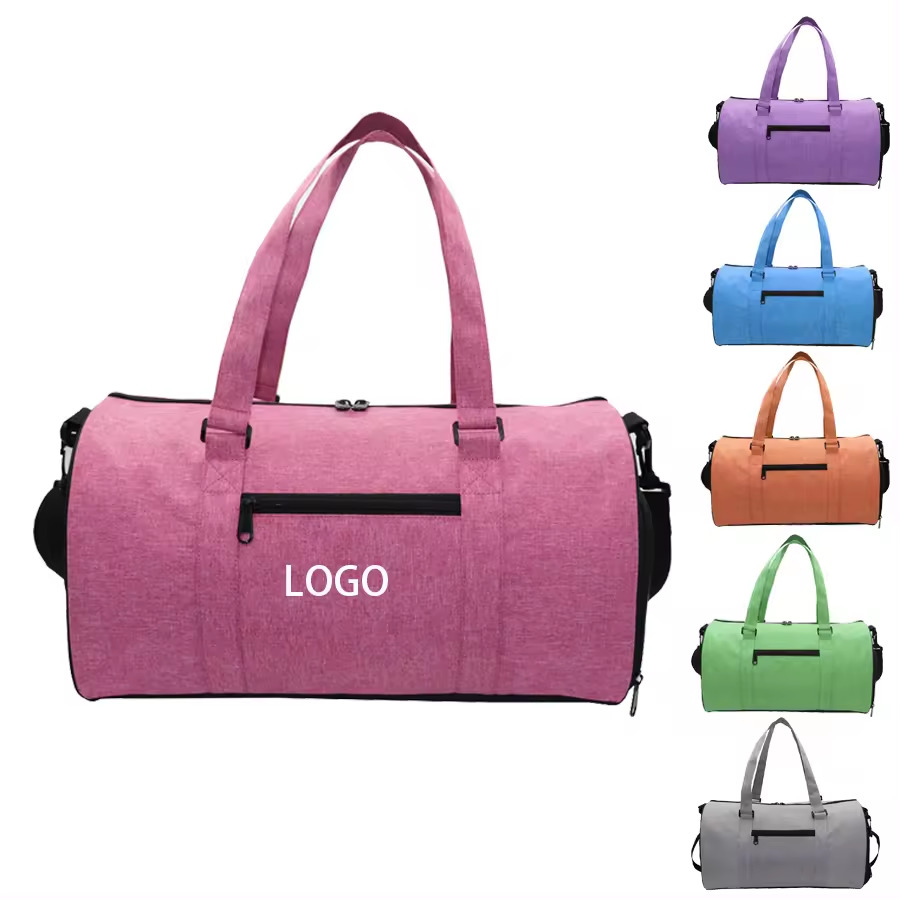
Vor-Ort-Bewertung
Ein Besuch der Produktionsstätte Ihres potenziellen Taschenherstellers vermittelt Ihnen einen realistischen Eindruck von dessen Arbeitsweise. Sie sehen mehr als nur Fotos oder professionelle Präsentationen. Sie können die Produktionshalle besichtigen, den Mitarbeitern bei der Arbeit zusehen und Details entdecken, die für Ihre Marke wichtig sind.
Hier ist, worauf Sie bei Ihrem Besuch achten sollten:
Prüfen Sie die Produktionshalle auf Sauberkeit und Ordnung.
Beobachten Sie, wie die Mitarbeiter mit Materialien umgehen und Taschen zusammenstellen.
Überprüfen Sie die Qualität der Ausrüstung und die Wartungsroutinen.
Erkundigen Sie sich nach deren Qualitätskontrollsystemen.
Achten Sie auf Zertifizierungen wie SMETA, BSCI oder ISO 9001. Diese belegen, dass das Werk strenge ethische und Qualitätsstandards erfüllt.
Besprechen Sie Ihre Anforderungen im Detail, um sicherzustellen, dass alle Ihre Ziele verstehen.
Tipp: Ein sauberer, ordentlicher Arbeitsplatz signalisiert oft, dass der Hersteller Wert auf Qualität und Sicherheit legt. Das gibt Ihnen Sicherheit hinsichtlich Ihrer Bestellung.
Sie können auch ein externes Audit in Auftrag geben, wenn Sie zusätzliche Sicherheit wünschen. Audits ermöglichen Ihnen einen direkten Einblick in die Arbeitsbedingungen und Produktionsprozesse.
Treffen mit dem Herstellerteam
Ein persönliches Treffen mit dem Team stärkt das Vertrauen und legt den Grundstein für eine erfolgreiche Partnerschaft. Sie lernen die Menschen kennen, die Ihre Entwürfe umsetzen werden. Nutzen Sie diese Gelegenheit, um über neue Materialien zu sprechen, nachhaltige Alternativen auszuprobieren und sicherzustellen, dass alle Ihre Vision teilen.
Frühe Gespräche über Ihre Ziele helfen, Missverständnisse zu vermeiden.
Die Zusammenarbeit bei der Erprobung neuer Materialien kann Innovationen anstoßen.
Strategische Partnerschaften mit dem richtigen OEM-Team unterstützen das Wachstum und die Qualitätsstandards Ihrer Marke.
Wenn Sie sich mit dem Team vernetzen, schaffen Sie die Grundlage für ein reibungsloses und erfolgreiches Projekt. Offene Kommunikation führt später zu besseren Ergebnissen.
Partnerschaft aushandeln und aufbauen
Vertragsbedingungen
Wenn Sie eine langfristige Partnerschaft mit einem Taschenhersteller aushandeln, bilden klare Vertragsbedingungen die Grundlage für den Erfolg. Beginnen Sie damit, Ihre Erwartungen an Qualität, Lieferung und Zahlung zu formulieren. Viele Fabriken bevorzugen langfristige Partner gegenüber einmaligen Abnehmern. Zeigen Sie daher Engagement, um bessere Konditionen zu sichern. Schlagen Sie zunächst eine Testbestellung vor. Dies schafft Vertrauen und ermöglicht beiden Seiten, sich vor einer Ausweitung der Produktion anzupassen.
Erfolgreiche Verhandlungen gehen über den Preis hinaus. Konzentrieren Sie sich auf den Wert – denken Sie an Service, Qualität und Support. Bereiten Sie sich vor, indem Sie den Markt analysieren und die Motivation Ihres Handtaschenherstellers verstehen. Versuchen Sie, mehrere Faktoren gleichzeitig zu optimieren, wie Kosten, Lieferzeit und Kundendienst. Wenn Sie Risiken und Gewinne teilen, fördern Sie die Zusammenarbeit und kontinuierliche Verbesserung.
In dieser Phase können häufige Herausforderungen auftreten. Beispielsweise könnten Sie sich Sorgen um die gleichbleibende Qualität oder den Schutz Ihrer Designs machen. Die folgende Tabelle zeigt Ihnen, wie Sie diese Probleme angehen können:
Herausforderung | Lösung |
|---|---|
Konstanz in der Qualitätskontrolle | Besuchen Sie die Fabrik, legen Sie klare Protokolle fest und nutzen Sie Inspektionen durch Dritte. |
Geistiges Eigentum | Unterzeichnen Sie Vertraulichkeitsvereinbarungen und lassen Sie Ihre Entwürfe bei den zuständigen Behörden registrieren. |
Logistik | Arbeiten Sie mit erfahrenen Spediteuren zusammen und planen Sie die Transportzeiten sorgfältig ein. |
Kulturelle Ausrichtung | Prüfen Sie die Fabrik und achten Sie auf ethische Zertifizierungen. |
Kommunikationsprotokolle
Eine gute Kommunikation ist der Schlüssel zum Erfolg Ihrer Partnerschaft. Vereinbaren Sie regelmäßige Treffen, nutzen Sie E-Mails und planen Sie Telefonate, um in Kontakt zu bleiben. Gute Lieferanten antworten innerhalb von 12–24 Stunden, geben klare Antworten und bieten proaktive Lösungen an. Unzuverlässige Lieferanten brauchen Tage für eine Antwort und informieren selten über den aktuellen Stand. Hier ein kurzer Vergleich:
Indikator | Guter Lieferant | Risikoreicher Lieferant |
|---|---|---|
Ansprechzeit | Innerhalb von 12–24 Stunden | 2–3 Tage oder mehr |
Klarheit | Klare, detaillierte Antworten | Unklare Antworten |
Problemlösung | Proaktive Vorschläge | Nur reaktiv |
Aktualisierungen | Regelmäßige Produktionsaktualisierungen | Keine Sicht |
Ermutigen Sie Ihren Taschenhersteller und Ihre Kunden, Feedback zu geben. Das hilft Ihnen, die Produktqualität und die Designkonsistenz zu verbessern. Durch offene Kommunikation vermeiden Sie Missverständnisse und bauen eine dauerhafte Partnerschaft auf.
Sie können eine starke Partnerschaft mit einem Taschenhersteller aufbauen, indem Sie einige wichtige Schritte befolgen:
Stichproben auswerten und klare Bedingungen festlegen.
Kommunizieren Sie offen und überprüfen Sie die Qualität regelmäßig.
Achten Sie auf Details und schützen Sie Ihre Entwürfe.
Starten Sie Ihre Suche mit Zuversicht und beobachten Sie, wie Ihre Marke wächst.
Häufig gestellte Fragen
Wie hoch ist die Mindestbestellmenge (MOQ) für OEM-Taschenhersteller?
Die meisten Hersteller legen eine Mindestbestellmenge fest. In der Regel müssen Sie mindestens 100–500 Stück bestellen.
Tipp: Erkundigen Sie sich nach Musterbestellungen, bevor Sie eine größere Menge bestellen.
Wie lange dauert die Herstellung von individuell gestalteten Taschen?
Die Produktionszeit hängt von Ihrem Design und der Bestellmenge ab. Die meisten Bestellungen dauern 30–60 Tage.
Die Genehmigung von Mustern kann zusätzlichen Zeitaufwand verursachen.
Kann ich mein eigenes Logo und meine eigene Verpackung verwenden?
Ja, Sie können Ihr Logo und eine individuelle Verpackung hinzufügen.
Notiz: Teilen Sie Ihre Branding-Dateien frühzeitig, um Verzögerungen zu vermeiden.

 IPv6-Netzwerk unterstützt